
Aeroseal’s Evolution: Pioneering Duct Sealing Technology
Aeroseal’s technology is rooted in rigorous science and brought to life by a purpose-driven entrepreneur to help the building industry combat climate change.
Creating a future where every building is sustainable, high-performing, and enhances occupant well-being, contributing to the fight against climate change

The Problem
The inception of Aeroseal traces back to a common yet overlooked problem in modern buildings: air leakage.
Buildings account for approximately 40% of energy demand. This is due, largely to leaks in HVAC ductwork and the building envelopes, including the walls, windows, roof, and foundation, present even after traditional sealing methods have been applied.
Most people aren’t aware air leakage is a big problem that contributes to high energy bills and greenhouse gas emissions. It is also a root cause of other issues that can cause discomfort and health problems for occupants such as uneven temperatures and poor indoor air quality.
The Innovation
In 1993, Dr. Mark Modera began research funded by the U.S. Department of Energy (DOE) at Lawrence Berkeley National Laboratory to find a new approach to this problem.
Through this work, he developed an aerosol-based technology that enabled air ducts to be sealed remotely from the inside. This method represented a significant departure from traditional, labor-intensive duct sealing methods that were often ineffective and impractical for existing buildings.
Recognized for its innovative approach and potential to significantly reduce energy waste, this technology received the “Energy 100” award from the U.S. Department of Energy.

The Mission
In 2010, Dr. Modera teamed up with Amit Gupta, a leader at a top HVAC manufacturer. Together their goal was to help the technology fully realize the possibilities it held for the building industry, energy efficiency, occupant comfort, and carbon emission reduction. With that, Aeroseal was born.
Their mission has remained the same since day one: to deliver comfort, healthy air, and substantial energy savings to building owners everywhere.
Aeroseal Today
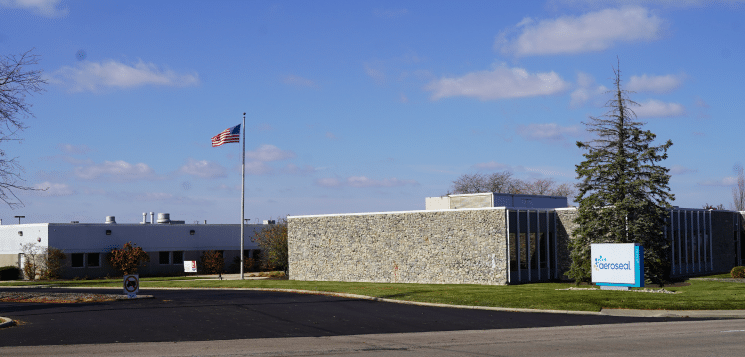
With advances in the chemical makeup of the sealant, the addition of Aeroseal Envelope, and continuous innovations in their autonomous wireless technology, Aeroseal has sealed more than 260,000 buildings – from homes, hospitals, and schools to government facilities, hotels, and offices — worldwide, covering millions of square feet.
This has resulted in billions of dollars in energy savings, the elimination of thousands of tons of CO2 emissions, and the improved comfort of millions of occupants.